Storm-damaged garden waste removal in Tooting
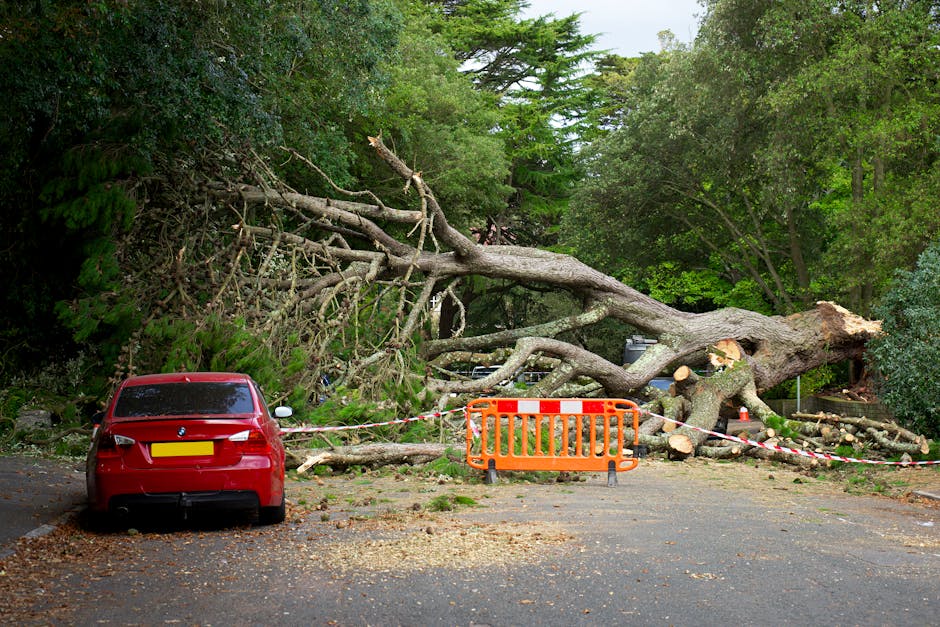
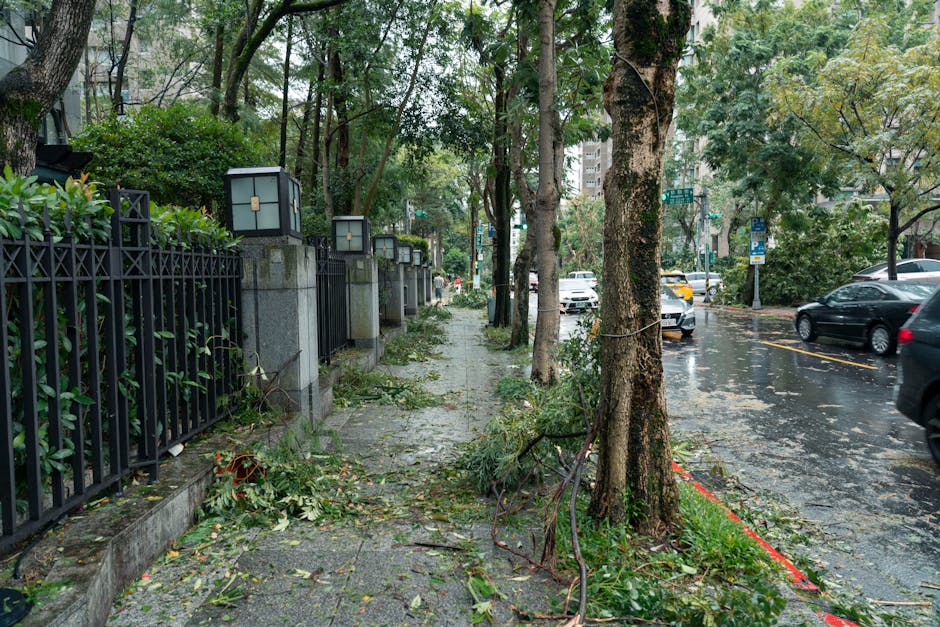
After a proper blowy night in London, a garden can look less like a calm outdoor space and more like a scene from a minor disaster film. Broken branches, scattered leaves, toppled pots, soaked hedge trimmings, and the odd fence panel lying at a strange angle. If you need storm-damaged garden waste removal in Tooting, the job is rarely just "take the rubbish away". It is usually about clearing heavy, wet, awkward waste safely, getting the area usable again, and doing it without making a mess of the rest of the property.
That is especially true in a busy part of South West London like Tooting, where access can be tight, shared pathways are common, and neighbours are often only a few feet away. This guide explains how storm cleanup works, what to expect, which mistakes to avoid, and how to choose the right approach when the garden has taken a hit. No fluff. Just practical help you can use this week, not someday.
Table of Contents
- Why storm-damaged garden waste removal matters
- How storm-damaged garden waste removal works
- Key benefits and practical advantages
- Who this is for and when it makes sense
- Step-by-step guidance
- Expert tips for better results
- Common mistakes to avoid
- Tools, resources and recommendations
- Law, compliance, standards, and best practice
- Options, methods, and comparison table
- Case study or real-world example
- Practical checklist
- Conclusion
- Frequently asked questions
Why storm-damaged garden waste removal in Tooting Matters
Storm damage in a garden creates a different kind of problem from a normal tidy-up. Wet branches are heavier. Torn shrubs are messier. Soggy leaves, soil, and broken plant material can quickly spread across paths, patios, and driveways. If you leave it too long, the pile starts to compact, smells a bit earthy and damp, and becomes harder to lift. Then there is the safety side. A snapped branch may still be under tension, and a half-fallen tree limb can shift without warning. That is not the time for guesswork.
In Tooting, gardens are often compact and shared with access through narrow side returns, rear alleys, or terrace houses. That means storm cleanup needs a bit more planning than simply dragging waste to the front and hoping for the best. A quick, tidy removal can protect surfaces, reduce slip hazards, and prevent blocked access for residents, tradespeople, or emergency repair work.
It also matters because storm-damaged garden waste is rarely just "green waste". A proper clear-out may include branches, twigs, vine growth, damaged fencing offcuts, blown-in debris, broken planters, or soil contaminated with mixed materials. If you want the garden ready for repair or replanting, it helps to separate what can be recycled from what needs specialist disposal.
Expert summary: The best storm cleanup is not the fastest-looking one. It is the one that removes hazards first, sorts waste properly, protects access, and leaves the garden genuinely usable again.
And yes, sometimes the problem is bigger than it first looks. One fallen bough can hide five more. A quick glance from the kitchen window rarely tells the full story.
How storm-damaged garden waste removal in Tooting Works
Storm-damaged garden waste removal usually follows a simple but careful process. The exact approach depends on the size of the garden, the volume of waste, and whether anything is unsafe or structurally damaged. In practice, it often starts with a short assessment and ends with a thorough clearance, sweeping, and responsible disposal. The middle part is where the real work happens.
1. Initial assessment
The first step is to understand what is actually on site. Is it mostly loose garden waste, or are there heavier items such as broken sheds, damaged trellis, or large limb sections? Is there blocked access? Are there sharp edges, unstable piles, or waterlogged ground? These details matter because storm waste behaves differently from dry, routine garden debris.
2. Segregating the waste
Good removal is usually sorted into categories: green waste, woody material, mixed debris, and anything that should not go in with garden waste. This makes disposal more efficient and supports recycling where possible. It also avoids the common problem of sending a whole load to one place when part of it could have been recovered separately.
3. Safe lifting and loading
Wet branches and storm debris can be surprisingly heavy. Loads need to be lifted carefully, especially around tight corners, steps, or shared hallways. A good team will avoid dragging sharp timber across paving or scraping walls on the way out. That sounds obvious, but let's be fair, obvious things are exactly what get skipped when people are rushing.
4. Site sweep and final check
Once the main waste is gone, the job is not really done until the area has been checked for splinters, hidden debris, nails, broken pot shards, or slippery mud. If the storm has scattered smaller bits across beds and borders, those need a second pass. This is the bit people appreciate most when they step outside afterwards and the space finally looks calm again.
5. Responsible disposal
Garden waste should be handled in line with proper waste management practice, with recyclable material separated where possible. If you are comparing providers, it is worth checking whether they explain how recycling and sustainability are built into their process. You can see how that approach is presented on the site's recycling and sustainability information.
Key Benefits and Practical Advantages
There are obvious benefits to clearing storm-damaged waste quickly, but the practical gains go beyond just "making it look tidy". For many homeowners, landlords, and tenants, the real value is in reducing disruption and preventing a bad situation from dragging on for days.
- Safer access: clear paths, fewer trip hazards, and less risk from unstable branches.
- Less stress: you do not have to keep staring at the mess every time you look out the window.
- Faster garden recovery: the sooner the waste is removed, the sooner repairs and replanting can begin.
- Better recycling outcomes: cleanly separated green waste is easier to recover responsibly.
- Cleaner surrounding surfaces: reduced mud, sap, leaf staining, and debris on patios and paths.
- Less physical strain: no need to wrestle heavy, wet branches into bags or a small car boot. That route tends to end with a sore back and a bad mood.
There is also a practical neighbourhood benefit. In closely built streets, a cluttered garden can spill into communal areas or make bin access awkward. Clearing waste quickly keeps everything moving, which matters more than people think when week-to-week routines are already busy.
For some households, the biggest benefit is simply peace of mind. After a storm, you want the garden to feel safe enough to walk through again. Not perfect. Just safe, neat, and under control.
Who This Is For and When It Makes Sense
This kind of removal is useful for a lot of people, not just homeowners with large gardens. In fact, the smallest gardens often need the most careful clearance because access is tighter and the mess is concentrated.
You may need storm-damaged garden waste removal if you are:
- a homeowner dealing with fallen branches or blown-over planters
- a landlord preparing a rental property after bad weather
- a tenant with permission to clear a shared or private outdoor space
- a property manager handling an urgent post-storm tidy-up
- a gardener or landscaper who needs waste removed before repair work begins
- a business owner with outdoor planting areas, courtyards, or frontage damage
It makes sense when the waste is too heavy, too wet, too bulky, or too awkward to manage alone. It also makes sense if you need the garden cleared quickly for repairs, viewings, children, pets, or general use. To be honest, if you are looking at a heap of sodden branches on a Monday morning and thinking, "I'm not doing that by hand," you are probably right to call for help.
Sometimes the job is only a few bags. Other times it is a proper one-off clearance after a tree or hedge has taken the hit. Either way, the key question is not how much waste is there. It is whether you can clear it safely without turning a simple task into a bigger problem.
Step-by-Step Guidance
If you are planning the job yourself or briefing a clearance team, the following steps will help you stay organised. They also make it easier to judge whether the work has been done properly.
- Walk the garden first. Check for broken glass, loose nails, hidden branches, and anything sharp or unstable.
- Separate hazardous items. Keep damaged garden furniture, broken pots, and structural debris away from plain green waste.
- Cut large material into manageable sections. Only if it is safe to do so. If a limb looks under tension, do not force it.
- Bag small debris. Leaves, twigs, and shredded plant material can be gathered more efficiently this way.
- Stack woody waste neatly. Keep branches aligned to reduce dragging and prevent extra damage to paving.
- Clear routes before lifting heavy items. Check doors, gates, side access, and shared paths.
- Load waste in a sensible order. Heavy pieces first, lighter material next, and small debris last.
- Sweep and inspect. Look for hidden fragments and wet residue, especially on paving and steps.
- Plan disposal separately. Recyclable green waste should not be mixed unnecessarily with general rubbish.
A small but useful point: if the ground is still soft after rain, leave wheelbarrow routes clear and avoid repeatedly rolling over the same patch. It saves the lawn. Sometimes the cleanup can create a second cleanup. Annoying, but true.
If the storm has also damaged fences, sheds, or trellis, make sure the waste stream is thought through before removal starts. Otherwise, you can end up with half-cleared material sitting in the garden because it does not fit the original plan. Not ideal.
Expert Tips for Better Results
These are the small decisions that make a big difference. They are the kind of details that separate a tidy, efficient clearance from a frustrating one.
Clear the hazards before the visible mess
The obvious branches are not always the most urgent issue. Broken glass, sharp timber, and unstable hanging pieces should be handled first. That order keeps everyone safer and prevents avoidable accidents during loading.
Be careful with wet biomass
Soggy garden waste is slippery and dense. Bags can split, and stacked branches can shift. If you are using your own gloves and tools, pick ones that still grip when damp. Cheap gloves tend to give up at exactly the wrong moment.
Think about access before lifting
In Tooting, many properties have narrow entrances or shared rear access. Check the route out before you begin. It is a simple habit, but it saves bumps, scuffs, and that awkward moment where a branch is wedged sideways in the gate.
Keep a pile for reuse
Not all storm waste is waste in the strictest sense. Some straight branches may be useful as kindling, border edging, or temporary support for plants, depending on condition. If that kind of reuse matters to you, set those pieces aside before full clearance starts.
Take photographs before and after
If you are a landlord, tenant, or property manager, a couple of quick photos can help record condition and progress. Nothing dramatic. Just practical evidence, especially when multiple people are involved.
And one more thing: do not be embarrassed if the mess feels bigger than you expected. It often does. Storms have a way of spreading debris into corners you do not notice until you are ankle-deep in leaves. Strange, really.
Common Mistakes to Avoid
Storm cleanup has a few repeat offenders. Avoid these and the job goes more smoothly.
- Waiting too long: damp waste settles, rots, and becomes harder to move.
- Mixing everything together: green waste, timber, plastics, and broken garden items should not all end up in one pile.
- Underestimating weight: wet branches are heavier than they look. Much heavier.
- Trying to cut unsafe limbs yourself: if something is suspended or under tension, leave it to someone equipped for it.
- Blocking access during the job: this slows everything down and can create a safety issue.
- Forgetting the small debris: splinters, thorny bits, and hidden shards are the things people step on later.
- Assuming all services are the same: some teams focus on basic clearance, while others handle sorting, loading, recycling, and final sweep-up more thoroughly.
Truth be told, a lot of storm-related problems come from trying to rush the job on a wet afternoon without proper planning. It rarely ends well. A calm, methodical approach usually wins.
Tools, Resources and Recommendations
Whether you are managing part of the work yourself or simply want to understand what good service looks like, a few tools and resources help a lot.
Useful tools for light self-preparation
- heavy-duty gloves with good grip
- sturdy garden sacks or rubble sacks for smaller debris
- secateurs or loppers for safe, small cuts only
- a rake for leaves and light material
- a broom and dustpan for patios and paths
- a wheelbarrow if access allows and the ground is stable
What to look for in a clearance provider
- clear explanation of what will be removed
- careful handling of wet and bulky waste
- safe loading and site tidying as part of the job
- transparent pricing and quote process
- basic information about insurance and safety
- realistic advice if the job needs more than a simple collection
If you want to understand service expectations better, it helps to review health and safety guidance, insurance and safety information, and the company's approach to pricing and quotes. That does not solve the storm damage, of course, but it does help you choose with your eyes open.
For customers who value clear support and company background, the about us page and contact page are also useful starting points. Small thing, but useful when you are trying to get the job sorted quickly and you want to know who you are dealing with.
Law, Compliance, Standards, or Best Practice
Storm-damaged garden waste removal is not usually complicated from a legal standpoint, but it still needs to be handled responsibly. In the UK, waste should be managed in line with accepted waste-handling practice, which means it should be carried, sorted, and disposed of properly. If the waste is being removed by a third party, it is sensible to check that they understand their obligations around safe transport, loading, and disposal.
In practical terms, best practice usually means:
- not leaving waste where it creates a hazard to residents or passers-by
- keeping sharp or unstable materials controlled during handling
- separating recyclable green waste where possible
- avoiding contamination of reusable garden material with general rubbish
- using suitable protective equipment for heavy or thorny material
- making sure access routes stay safe and clear
If the storm has damaged trees near boundaries, fences, or structures, extra caution is sensible. Some issues may involve more than simple clearance and may need a separate repair assessment. That is where a careful, honest approach matters more than a quick promise. Better to pause and check than to rush and create a bigger mess.
It is also worth noting that good waste services should be upfront about procedures, complaints handling, data privacy, and payment security. These are not the exciting bits, granted, but they are part of trust. You can review the site's terms and conditions, privacy policy, cookie policy, and payment and security information if you want a fuller picture of how things are handled.
Options, Methods, and Comparison Table
There is more than one way to deal with storm-damaged garden waste. The right method depends on size, urgency, access, and how much of the waste needs to be moved. A quick comparison helps.
| Method | Best for | Pros | Limitations |
|---|---|---|---|
| DIY bagging and council-style disposal | Small amounts of light, dry debris | Low cost if you already have the tools | Slow, physically demanding, awkward for wet branches |
| DIY clearance with hired help from friends or neighbours | Medium mess with easy access | More hands on deck, quicker than going solo | Safety risk if waste is heavy, spiky, or unstable |
| Professional garden waste removal | Large, wet, bulky, or urgent storm damage | Efficient, safer, more thorough, less strain | Higher cost than DIY |
| Combined clearance and repair preparation | Storm damage that affects both waste and access | Useful where the site needs to be made safe before repairs | May require more planning and coordination |
For most storm-damaged gardens in Tooting, the practical winner is usually the option that handles the waste safely and quickly without putting anyone at risk. Cost matters, yes. But so does not spending your Saturday wrestling a soaked branch through a narrow gate. Been there, regretted that.
Case Study or Real-World Example
Picture a typical back garden in Tooting after a windy night. A large branch has dropped across the lawn, the hedge has shed a layer of wet clippings, and a few cracked pots are scattered near the patio. There is no dramatic tree failure, nothing that screams "emergency", but the space is unusable until it is cleared. The path is slippery. The gate is partly blocked. And the pile is too heavy to bag neatly by hand.
In a case like that, the smartest approach is usually to start by separating the obvious non-green waste: broken pots, plastic trays, and any damaged fittings. Then the heavier branches are cut or lifted into manageable sections, followed by leaf and twig collection. Finally, the patio and path are swept so there is no hidden debris left underfoot. The result is not just tidiness. It is a safe, usable garden again, often in a single visit.
What people tend to notice afterward is how much smaller the job feels once it is properly organised. Before clearance, everything looks like one big problem. Afterward, it becomes manageable. That shift matters. It gives you the breathing room to plan repairs, replanting, or just a quiet cup of tea outside once the weather clears.
Practical Checklist
Use this checklist before arranging storm-damaged garden waste removal in Tooting, or while checking that the garden is ready for collection.
- Walk the garden and identify all storm debris
- Check for unsafe branches, sharp items, and hidden hazards
- Separate green waste from broken garden items
- Clear access paths and gates
- Decide whether any material can be reused
- Confirm whether the waste needs bagging, cutting, or stacking
- Check if the ground is too soft for heavy wheelbarrow traffic
- Make sure pets and children are kept away during the work
- Ask how waste will be sorted and disposed of
- Confirm the final sweep-up is included
- Review pricing, timing, and payment details in advance
- Keep any relevant photos if you need a record of damage
If you are unsure about the scope, it is usually better to over-explain the job than to under-describe it. A few extra details up front can save a lot of back-and-forth later. Simple, but it works.
Conclusion
Storm-damaged garden waste removal in Tooting is about more than moving branches from one place to another. It is about restoring safety, clearing access, and handling messy, wet, awkward material in a sensible way. When the weather has done its worst, a good clearance turns the garden from a problem space back into something usable again.
If you are dealing with a one-off storm clear-up, a blocked pathway, or a larger amount of broken green waste, take a calm approach: assess the hazards, separate the material, and choose a method that fits the size and urgency of the job. That is usually the difference between a stressful weekend and a straightforward fix.
Get a free quote today and see how much you can save.
If you want a clearer sense of the team, their policies, and how they work, it is worth browsing the about us page, the health and safety policy, and the recycling and sustainability page before you decide. A little reassurance goes a long way when the garden is still damp and the wind has only just died down.
Frequently Asked Questions
What counts as storm-damaged garden waste?
It usually includes fallen branches, broken shrubs, leaf piles, torn hedge cuttings, damaged planters, and any mixed debris scattered by strong wind or heavy rain. If it came down because of the storm and needs clearing from the garden, it probably counts.
Can wet branches and leaves be removed safely?
Yes, but they are heavier and more awkward than dry waste. Wet material needs careful lifting and a sensible loading plan, especially if access is tight or the pile includes sharp timber.
Do I need to cut the branches myself before removal?
Not necessarily. Small, safe cuts can help, but you should not force or cut unstable limbs. If a branch is under tension or partially attached, leave it alone and describe it clearly when arranging removal.
How quickly should storm waste be cleared?
As soon as it is practical. Leaving it too long can make access worse, create slip hazards, and make the waste harder to move because it compacts and gets muddier.
Is storm-damaged green waste recyclable?
Often, yes. Clean branches, hedge cuttings, and leaves are typically better candidates for recycling than mixed waste, provided they are kept separate from non-garden items.
What if the storm also damaged my fence or shed?
Then the job may need a more careful assessment. Waste removal can still happen, but structural damage should be checked so the clearance does not interfere with repairs or create a safety issue.
How much does storm-damaged garden waste removal cost in Tooting?
Costs vary depending on volume, access, weight, and how much sorting is needed. A small tidy-up is very different from a full garden clearance after strong winds, so a quote is usually the best way to get a fair estimate.
Can I put storm garden waste in my normal bins?
Small amounts sometimes can, but larger or bulkier material usually needs a proper collection plan. Overfilling bins or mixing the wrong materials can cause problems, so it is worth checking the most suitable route first.
What should I check before booking a clearance service?
Look for clear pricing, sensible handling of safety, waste sorting, and a tidy finish. It also helps to check the company's terms, payment details, and complaints process so you know what to expect.
What happens if the garden access is narrow?
Narrow access is common in Tooting, so it should be planned for. The team may need to use smaller loads, take extra care with branches, or adjust the removal method to avoid damage to walls, gates, or paving.
Is it better to clear storm waste myself or hire help?
If the waste is light, dry, and easy to access, DIY may be fine. If it is heavy, wet, thorny, or awkward, hiring help is usually safer and faster. Be honest about the job. That is the smart move.
Will the area be swept up afterwards?
A proper clearance should include a final sweep and a quick check for leftover debris. This matters more than people realise, because tiny branches and splinters can still cause nuisance or injury after the main waste is gone.