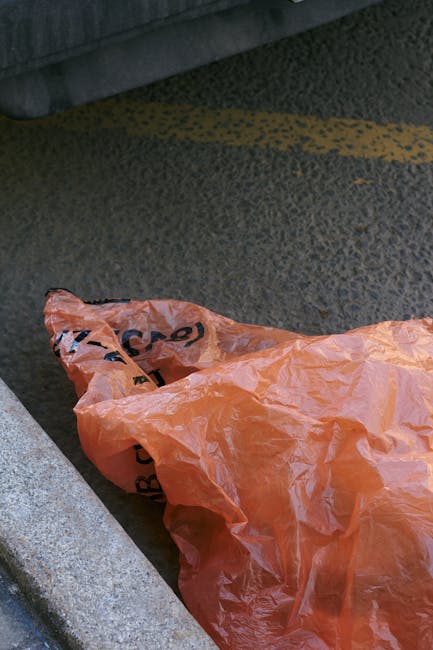
Fines and duties for fly-tipping in Tooting: what residents and businesses need to know
Fly-tipping is one of those problems that looks small until it lands on your street, outside a block of flats, or by a garage in a narrow Tooting side road. Then it becomes everyone's problem. If you are trying to understand the fines and duties for fly-tipping in Tooting, the practical question is simple: what counts as unlawful dumping, who is responsible, and how do you stay on the right side of the rules without wasting time or money?
This guide breaks it down in plain English. You will learn how fly-tipping enforcement usually works, what duties apply to households and businesses, why penalties can escalate quickly, and what sensible steps to take if waste has already been dumped near your property. We will also cover safer disposal habits, paperwork, and a few real-world mistakes that catch people out all the time. To be fair, most of them are avoidable.
Why Fines and duties for fly-tipping in Tooting Matters
Fly-tipping is not just an eyesore. It can block pavements, attract vermin, create trip hazards, and make an otherwise tidy road feel neglected. In a busy area like Tooting, where people move between terraced streets, flats, shops, and shared accessways, waste left in the wrong place can spread quickly into a bigger local problem.
The "fines" side matters because enforcement is meant to discourage careless dumping and irresponsible waste handling. The "duties" side matters because the law and day-to-day best practice expect people to dispose of waste properly, use legitimate carriers, and keep evidence that they did so. If you hand waste to the wrong person, or fail to check who is taking it away, you can end up dealing with the headache later. And yes, it can be a pricey headache.
For households, the main risk is unknowingly passing waste to someone who then dumps it. For businesses, the risk is wider: duty of care, record keeping, storage, collection timing, and contractor checks all come into play. That is why many local businesses also review their business waste removal arrangements alongside broader housekeeping and clearance plans.
Key takeaway: If waste leaves your control without the right checks, you may still be asked to explain what happened to it. Good records are not paperwork for paperwork's sake; they are protection.
How Fines and duties for fly-tipping in Tooting Works
In practice, fly-tipping enforcement usually starts with an observation: waste dumped on public land, a report from a resident, evidence from CCTV, or materials found that may identify the person responsible. Authorities then assess whether the waste looks like household rubbish, trade waste, garden waste, construction debris, or a mix. That distinction matters because the handling duties are not identical.
Fines and penalties can vary depending on the circumstances and the level of offending. A single bag left beside a bin is not the same as a van load of construction waste dumped at the roadside. The response may also differ if the issue is a first-time lapse, a repeated problem, or evidence of organised illegal disposal. Truth be told, the more deliberate it looks, the more serious it gets.
Duties also sit at different levels:
- Householders should only pass waste to legitimate collectors and should not place rubbish where it obstructs the street.
- Businesses need to use properly authorised waste arrangements and keep sensible proof of transfer and collection.
- Landlords, agents, and managing teams often need to make sure shared spaces do not become convenient dumping spots.
- Builders and tradespeople should manage rubble, packaging, and offcuts so they do not end up in public areas or behind properties.
If you are clearing out a loft, garage, or garden, it helps to think ahead. A scheduled removal is generally far safer than a last-minute solution that looks cheap but leaves you exposed. Services such as loft clearance, garage clearance, and garden clearance are often chosen precisely because they reduce the chance of waste drifting into the wrong hands.
One small but important point: not all "fines" are identical in shape. Some are civil penalties, some are fixed penalties, and some may escalate into prosecution if the facts justify it. The exact route depends on the case, the evidence, and the enforcing body. You do not need to memorise every legal branch. You do need to act carefully.
Key Benefits and Practical Advantages
Understanding the rules brings a few very real benefits. The first is obvious: you reduce the chance of being linked to illegal dumping. The second is less obvious but just as useful: you make waste disposal calmer and faster. Instead of scrambling after a builder, a tenant, or a bargain-bin "man and van" approach, you can use a process that actually stands up if anyone asks questions later.
There is also a local benefit. Streets and shared entrances in Tooting can look cluttered quickly when waste is abandoned in piles. A clear disposal routine helps keep the area safer and more pleasant. That can matter for neighbours, visitors, tradespeople, and customers alike.
Some practical advantages include:
- less risk of enforcement action or complaints
- better control over who handles your waste
- cleaner access routes and shared spaces
- more predictable costs than repeated call-outs and ad hoc dumping removal
- better alignment with sustainability expectations
For those managing a property refresh, the same logic often applies to furniture and bulky items. Using a planned furniture disposal route is usually easier than leaving items outside and hoping they vanish. They usually do not. Not in the good way, anyway.
Who This Is For and When It Makes Sense
This topic is relevant to more people than you might think. Homeowners need it when they are clearing clutter, moving house, or replacing bulky items. Tenants need it when moving out, especially if they want to avoid disputes over leftover rubbish. Landlords and letting agents need it when a property or communal area becomes a dumping magnet. Businesses need it whenever waste leaves the premises and crosses into contractor territory.
It also makes sense for:
- people dealing with post-renovation debris
- small offices clearing old equipment and packaging
- shop owners disposing of stock room waste
- families emptying a home after a long occupancy
- anyone arranging a one-off bulky waste clearance
If your situation is a household clearance rather than a commercial one, a structured service such as house clearance or home clearance can reduce the awkward middle ground where items are left somewhere "temporarily" and then suddenly become a problem. We have all seen that temporary pile by the hallway. It grows legs.
This guide is also useful if you want to understand the difference between waste that is simply stored for collection and waste that has crossed the line into illegal dumping. That line can be thinner than people expect, especially in shared access areas or front gardens.
Step-by-Step Guidance
If you want to stay compliant and avoid avoidable fines, the best approach is orderly and boring. That is a compliment, honestly. Waste management should be boring.
- Identify the type of waste. Separate household rubbish, garden waste, builders' rubble, old furniture, electrical items, and anything hazardous.
- Choose the right removal route. Small amounts may suit a standard collection, while bulkier or mixed waste may need a dedicated clearance.
- Check who is taking it. Ask sensible questions. Who are they? What happens to the waste? Can they provide basic paperwork or terms?
- Keep a record. Save booking confirmations, receipts, and any collection details. For businesses, this is especially important.
- Store waste safely until removal. Keep it out of shared walkways and public land. A tidy stack is better than a loose spill.
- Do not leave it outside indefinitely. That is where problems begin. Weather, passers-by, and opportunistic dumping all make things worse.
- Follow up if something looks wrong. If a collector does not turn up or materials are left behind, act immediately rather than waiting.
For commercial or mixed-use properties, a more structured arrangement often works better. A planned booking for office clearance or builders waste clearance can be a lot safer than leaving bags and offcuts near a rear entrance and hoping someone sorts it later. They rarely do, not properly.
A useful habit is to think in two questions: "Would I be comfortable explaining this arrangement if asked?" and "Would this look tidy if someone walked past at 8 a.m. tomorrow?" If the answer is no, adjust the plan.
Expert Tips for Better Results
Here is the short version from years of seeing how clearance jobs go wrong: prevent the mess before it starts. A lot of fly-tipping trouble comes from convenience, not malice. People are busy, bins are full, the van is late, the skip is not arriving until next week, and suddenly there is a pile of waste leaning against a wall. It only takes one bad decision.
Useful tips:
- Use a single holding point. Keep all waste in one controlled place, not scattered around a site or property.
- Photograph the items before collection. This can help if there is later confusion about what was taken.
- Separate reusable items. Furniture or appliances that can be reused may suit a different route from mixed rubbish.
- Match the service to the waste. Garden cuttings are not the same as plasterboard, and neither is the same as office furniture.
- Plan around access. In Tooting, narrow streets and shared entrances can make timing matter more than people expect.
If you are clearing furniture, an organised route through furniture clearance or furniture disposal often works better than trying to move items piecemeal over several days. Less handling, less clutter, fewer chances for something to be left in the wrong place.
A final expert habit: keep an eye on recycling and disposal practices, not just cost. The cheapest option can become the most expensive if waste is mishandled. It sounds obvious, but you would be surprised how often "cheap" turns into "why is that chair still outside?"
Common Mistakes to Avoid
Most fly-tipping problems are not caused by dramatic schemes. They come from small, easy-to-make mistakes. Some are annoying. Some are expensive. A few are both.
- Leaving waste beside bins because collection day is "soon." Soon can become days, then complaints, then enforcement attention.
- Using an unverified collector. If you cannot explain who took the waste, that is a bad sign.
- Assuming someone else will finish the job. Shared driveways and communal spaces are full of this problem.
- Mixing trade waste with household waste without a plan. That is where confusion and disputes start.
- Ignoring waste left behind after a job. Leftover packaging, dust sheets, and offcuts can still count as your responsibility if they remain on site.
- Forgetting paperwork. The absence of records makes even a legitimate disposal harder to defend.
Another common one: people arrange a property clearance but forget about the loft, shed, or garage. Then they leave those items for "later," which is a surprisingly persuasive little lie we tell ourselves. Better to bundle the job properly, or at least plan the sequence.
For more complex domestic clearances, a route through garage clearance or loft clearance can help ensure nothing is accidentally left behind or dumped in a hurry.
Tools, Resources and Recommendations
You do not need a complicated toolkit to stay on top of waste duties. What helps most is a simple system that you actually use.
- A phone camera for before-and-after photos of waste loads and collection points
- A notes app or folder for storing collection dates, invoices, and contact details
- Labelled bags or stacks so different waste streams are not mixed by accident
- A short checklist for residents, tenants, or staff before any clear-out
- A trusted clearance partner for heavier jobs or repeated waste streams
When comparing options, think beyond the headline price. Ask yourself whether the provider is suitable for the kind of waste you have, whether they can clear it efficiently, and whether the process is easy to document. If you need a quotation for a planned job, pricing and quotes is the sort of page that helps you make a cleaner decision rather than guessing.
For businesses, it is also wise to review waste removal arrangements regularly, especially if the amount of waste changes seasonally or after a refurbishment. Tidy systems save time. And frankly, they save arguments.
If sustainability matters to you, it should not be an afterthought. Choosing a provider with a clear recycling mindset helps reduce avoidable landfill use and supports better disposal habits across the board. A useful starting point is recycling and sustainability.
Law, Compliance, Standards, or Best Practice
Without pretending every situation is identical, the main compliance idea is straightforward: waste should be stored, transferred, and disposed of responsibly. That usually means using a legitimate collector, not leaving waste in a public place, and keeping enough evidence to show you acted properly.
For households, best practice is mostly practical common sense. Do not dump items on the pavement. Do not ask a random driver who appears with a van to "take it away cheap" unless you are comfortable with uncertainty. Do not assume your rubbish is no longer your problem the moment it leaves your hand.
For businesses, standards are higher. The duty of care concept is especially important because business waste can create traceability questions. In plain terms, you should know:
- what waste you produced
- who collected it
- when it was collected
- where it was intended to go
- what records you kept
There are also site-safety considerations. Waste stored badly can block access routes, cause slips, or create manual-handling risks. A clearance job done badly can become a health and safety issue before anyone notices the enforcement side. If you are managing a premises, it is worth checking practical guidance through pages such as health and safety policy and insurance and safety, especially where staff or contractors are involved.
One more note, because it matters: if a waste issue becomes a dispute, the ability to show what you did, when you did it, and who handled it can make a huge difference. Paperwork is dull. Still useful.
Options, Methods, and Comparison Table
Different waste situations call for different solutions. A comparison can make the choice much clearer, especially when you are balancing cost, speed, risk, and convenience.
| Method | Best for | Strengths | Watch-outs |
|---|---|---|---|
| Self-delivery to a disposal point | Small loads, known materials | Direct control, simple for very small jobs | Time-consuming, vehicle limits, manual handling |
| Scheduled clearance service | Bulky, mixed, or repeated waste | Convenient, cleaner paper trail, less disruption | Needs advance booking and clear access |
| Project-based clearance | Moves, refurbishments, office changes | Useful for larger, one-off jobs | Planning matters; delays can create clutter |
| Ad hoc informal collection | Only where the collector is verified | Can seem convenient at first | Highest risk if checks are weak |
For many households, a structured home or flat clearance is the most practical middle ground. If you live in shared accommodation or a compact property with limited storage, flat clearance can be especially useful because it avoids waste lingering in hallways or communal entrances.
For bigger domestic jobs, especially when several rooms are involved, home clearance or house clearance often gives the cleanest result. Less friction. Fewer loose ends. That matters.
Case Study or Real-World Example
Consider a fairly ordinary scenario. A Tooting household clears out a garage after a house move. There are old shelves, a broken chair, paint tins, bags of mixed rubbish, and a few boxes of items they are not sure about. In a rush, they put everything at the front of the property with the idea that it will be collected "tomorrow."
Then rain starts. One bag splits. A neighbour complains because the pile has spread across the pavement. A van appears offering to take it all for cash, but there is no clear paperwork and no obvious plan for the materials. That is where problems multiply. The situation that started as a tidy-up now looks like abandoned waste.
A better version would have looked like this:
- sort items by type
- separate reusable furniture from general rubbish
- book a clearance service for bulky or mixed items
- keep everything within the property boundary until collection
- save confirmation and any useful records
In that version, the household stays in control. The street stays clear. The risk of fines and duty-related trouble drops sharply. It is not glamorous work, but it is the kind that saves a lot of stress at 9 p.m. on a wet evening when you least want another problem.
Practical Checklist
Use this before any disposal or clearance job in Tooting:
- Have I identified every item that needs removing?
- Do I know whether the waste is household, garden, builders', or office-related?
- Have I chosen a legitimate disposal route?
- Have I checked collection details and access arrangements?
- Is the waste being stored inside my boundary and not on the pavement?
- Do I have photos or notes in case I need to prove what happened?
- Have I separated reusable items from true waste?
- Have I reviewed any likely health and safety issues?
- Is there a backup plan if collection is delayed?
- Will the final result leave the area clean, safe, and easy to understand?
If you can answer yes to most of those, you are already ahead of the average rushed job. And that really is the point.
Get a free quote today and see how much you can save.
Conclusion
The fines and duties for fly-tipping in Tooting are not just about avoiding punishment. They are about making sensible, traceable decisions with your waste so it does not turn into a local nuisance or a legal problem. Once you treat disposal as part of the job, not an afterthought, everything becomes easier: clearer access, fewer complaints, better records, and far less risk of things going wrong.
Whether you are managing a home clear-out, handling office waste, or dealing with the aftermath of a messy contractor job, the safest route is usually the one that is planned, documented, and calm. A little care now can save a lot of pain later. Simple as that.
And if the whole thing feels like one more chore on an already full list, fair enough. Start with one tidy decision, then the next. That is often enough to get back on top of it.
Frequently Asked Questions
What counts as fly-tipping in Tooting?
Fly-tipping generally means leaving waste where it should not be, including pavements, alleyways, verges, communal areas, or land without permission. It can involve household rubbish, bulky items, builders' waste, or mixed debris.
Can I be fined if someone else dumps waste after I leave it out?
Potentially, yes, if the waste can reasonably be linked to you or if you failed to manage it properly. That is why keeping waste secure until collection matters so much.
Do households have duties as well as businesses?
Yes. Households should dispose of waste responsibly, use legitimate collections, and avoid leaving rubbish in public places. Businesses usually have additional record-keeping and duty-of-care expectations.
What should I do if I find fly-tipped waste near my property?
Do not move unknown waste yourself if it may be hazardous. Make a note of what you can see, keep the area clear if possible, and report it through the proper local route. If the waste looks dangerous, treat it with extra caution.
Is it risky to use someone with a van for cheap waste removal?
It can be. If you cannot verify who they are and what will happen to the waste, you may be exposing yourself to unnecessary risk. A cheap removal is not a good deal if it creates a fly-tipping problem later.
What records should businesses keep?
Businesses should keep basic paperwork showing what was collected, when, and by whom. In practice, booking confirmations, invoices, and service details are often very useful.
Are furniture and bulky items treated differently from general rubbish?
They can be, especially when it comes to removal methods and how they are handled. Bulky items often need a planned clearance rather than an ad hoc collection.
How do I avoid leaving waste outside too long?
Book the collection for a time you can manage, store items inside your boundary, and set reminders so the waste does not sit around for days. A small delay can become a bigger issue surprisingly quickly.
Does garden waste count too?
Yes. Garden cuttings, soil, branches, and old outdoor items still need to be disposed of properly. If left in the wrong place, they can still be treated as fly-tipping.
What is the safest option for a house or flat clear-out?
A planned clearance service is often the safest option because it reduces the chance of items being abandoned or left in communal spaces. It is also easier to keep everything documented.
Can I just leave items next to a bin if it is collection day soon?
That is a common mistake. If items are outside the proper collection arrangement, they can create complaints or enforcement issues. It is better to keep them secure until they are actually being collected.
Where can I learn more about responsible disposal options?
It helps to look at the service pages that match your situation, such as waste removal, recycling and sustainability, or the relevant clearance service for your property type. The right route depends on the waste, the access, and how quickly you need it gone.